



















What's the difference between Toptal and Designify?
Toptal is a talent network: it screens freelancers and matches companies with them, so you hire a person. Designify is a studio: you hire an outcome, a website, a landing page or a run of product work, delivered by one small team that writes the copy, designs it and builds it in code.
That's the whole comparison in one line. With Toptal, the freelancer brings skill and you bring the brief, the priorities and the coordination with everyone else. With us, the brief is part of the work, because we start with the message and the page structure before any design. If you're still sorting through the wider options, our Toptal alternatives page lays out marketplaces, in-house hires and subscriptions. This page is the narrower question: Toptal or Designify, head to head.
How do Toptal and Designify compare side by side?
The table describes Toptal's model as its own site presents it as of 2026. We don't have verified Toptal rates in our research, so we leave prices out. Check their site for current terms.
Toptal | Designify | |
|---|---|---|
What you hire | One vetted freelancer per role | A small team that owns the deliverable |
Engagement | Hourly, part-time or full-time (check their site) | Fixed-price project or monthly retainer |
Pricing | Varies by talent and engagement; check their site | $3,000 to $8,000 projects; $6,000/mo retainer |
Copywriting | A separate hire, unless the freelancer also writes | Included: we write first |
Development | A separate hire, unless the freelancer also builds | Included: Next.js, Framer or Webflow |
Who manages the work | You | We do, with your approvals |
Way to test first | A trial period at the start (check their terms) | $1,000 trial week on a real task |
Best for | A specific skill embedded in your team | A website or feature shipped end to end |
Toptal review: what does it do well, and where does it stop?
Toptal does the sourcing for you. Its site describes a client advisor who matches you with a vetted designer, and a no-risk trial period at the start of an engagement, and lets you hire designers and developers hourly, part-time or full-time. For a startup that knows exactly which role it's missing, that saves weeks of posting jobs and screening portfolios on open marketplaces.
Where it stops is the edge of one person's job. A senior product designer hired through any network still needs someone to decide what the homepage says, someone to build the pages and someone to keep the three in sync. On a website, those gaps are where most of the time goes. Our comparison of Upwork, Fiverr, Contra, Toptal and agencies covers how each hiring route handles that coordination.
Pros
- Pre-screened talent, so less time spent vetting
- Flexible engagements you can scale up or down
- Good for niche skills, such as a motion designer or a specific framework
- The freelancer can sit inside your tools, standups and sprints
Cons
- One hire usually covers one discipline
- You write the briefs and manage the schedule
- Copy, design and build may need three separate people
- Context leaves with the person unless someone documents it
Which costs more for a website: Toptal or Designify?
Compare the cost of a finished website, not one hourly rate against one fixed price. A freelancer's rate buys one discipline, so the honest total adds the writer, the developer and the hours your team spends managing both. Our prices already include all three, and they don't move if the project takes more rounds.
For context, our research puts directional freelance rate bands at about $80 to $180 an hour in the US and about $25 to $60 an hour in Eastern Europe. These are typical ranges we see quoted, and they vary a lot by seniority and scope. Our own prices are fixed and published on our pricing section.
- Designify landing page: copy, design and Next.js build
- $6,000
- Designify website, up to 6 pages, +$500 per extra page
- $8,000
- Retainer: ongoing design and development, no hourly tracking
- $6,000/mo
A hypothetical cost comparison for a six-page site
For example, suppose a seed-stage startup needs a six-page marketing site. Through a talent network it might hire a designer and later a front-end developer, while the founder writes the copy and coordinates handoffs. The total depends on hours, rates and how many review rounds the site takes, and the founder's own time is the cost that rarely gets counted.
With us, the same scope is $8,000, fixed, with the copy, design and build done by one team. Neither route is always cheaper. The fixed price is easier to budget, and the freelancer route is more flexible if the scope keeps changing.
When is Toptal the better choice?
Toptal is the better choice when the job is one person's job and someone on your side will direct it. Hiring a studio for a task that a single specialist can finish in a few days is paying for coordination you don't need. We'd tell you that on the intro call.
- Small, well-defined tasks. A set of icons, a component update in an existing design system, or a bug in your front end.
- A long-term embedded role. A product designer who joins your squad for six months and works inside your sprint rituals.
- A niche skill. A specialist in a framework, an animation tool or a domain we don't cover, such as video or 3D.
- Trying out a role before a full-time hire. A part-time engagement shows whether you need the role at all.
If you're weighing a freelancer against a studio more generally, our guide to agency vs freelancer vs in-house designer sets out the trade-offs by company stage.
When is Designify the better choice?
Designify is the better choice when the job crosses disciplines and nobody inside the company has time to run it. A new website, a rebrand with a site launch, or a product that's hard to explain all need the words, the design and the build decided together. One team holding all three removes the handoffs where most website projects stall.
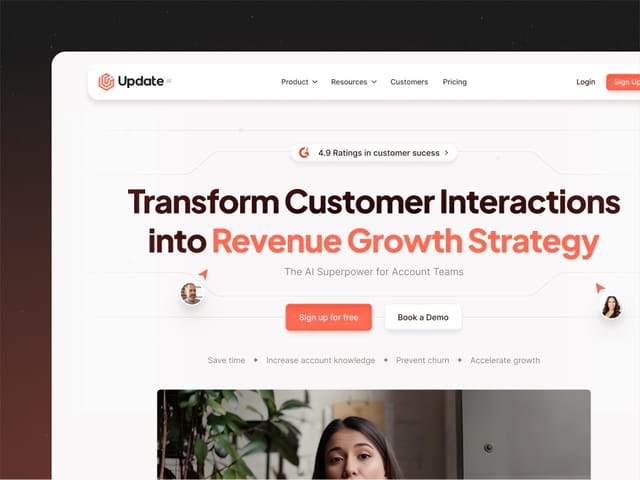
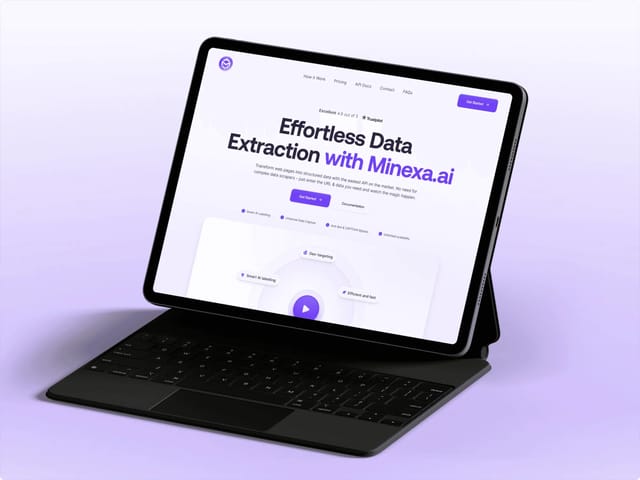
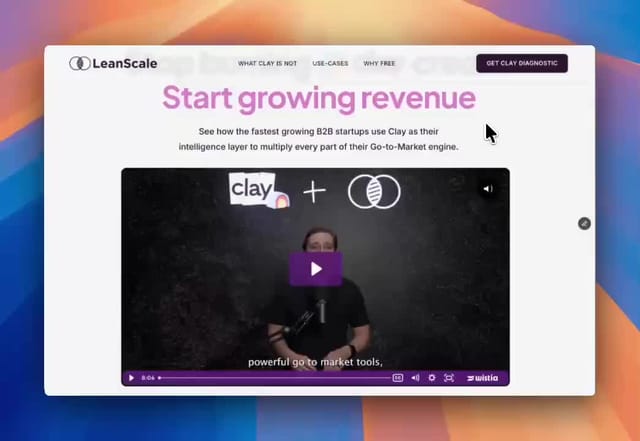
That's how we've worked for AI and data startups. We designed and built the site for Update.ai, handling strategy, messaging, design and the build, and a product-led site for Minexa.ai that had to make sense to both non-technical users and developers. For LeanScale we built a conversion funnel for its consulting offer. In each case the hard part was deciding what to say, which is the part a design-only hire leaves with you.
Can you use Toptal and Designify together?
Yes, and for some teams it's the best setup. A common split is a studio for the marketing site and design system, and an embedded freelancer or in-house engineer for ongoing product work. The site gets one owner who knows the code, and the product team keeps a specialist who sits in its sprints.
The handover is what makes it work. We hand over the Figma files and a codebase or project your engineers can read, so a freelancer can pick up where we stop. If you'd rather keep everything in one place, our design retainer covers ongoing design and development at $6,000 a month and includes joining your customer calls.