


















What does a startup web design agency do differently?
A startup web design agency builds for a company whose positioning is still sharpening, whose team is small and whose site has to work for customers, investors and candidates at once. That changes the job. The hardest part isn't the visuals, it's deciding what to say when the product is new and the category may not have a name yet.
So we start with the words. Copy, design and development all happen in-house, with Mehdi Hassan, a copywriter, designer and developer, leading every project. You don't brief a strategist, a designer and a developer separately and hope the result holds together.
Which stage are you at?
Most founders come to us at one of two points, and they need different sites. A first real website has to explain the product clearly and earn the first demos. A post-raise relaunch has to make the company look like the one investors just backed, and support sales, hiring and press at a larger scale.
First real website (pre-seed to seed) | Post-raise relaunch (seed to Series B) | |
|---|---|---|
Main job | Explain the product and get the first demos or signups | Match the new positioning and support a growing sales team |
Typical pages | Home, product, pricing or demo, about, blog, contact | Adds feature pages, customers, integrations, careers, security |
Proof available | Founder story, early users, a design partner or two | Customer logos, case studies, investors, press |
Biggest risk | Saying too much, too vaguely | Keeping old messaging on a new design |
Usual starting offer | Website package, or a landing page first | Website package, often after a brand sprint |
If you raised recently, our guide to a Series A website redesign covers what usually changes. If you're still validating demand, a single landing page at $6,000 may be smarter than a full site.
What should a startup's first website include?
A first startup website needs fewer pages than most founders expect, and much clearer words. Six pages cover most early-stage companies, which is why our website package is scoped at six.
- Homepage: who it's for, what it does and why now, in the first screen, with the product shown
- Product or how it works: the problem, the workflow and the result, with real screens
- Pricing or book a demo: whichever matches how people start, with a short form
- About: the team and why you're the people to build this, which matters more when you have few customers
- Blog or resources: set up on a CMS from day one, even if it starts empty
- Contact and legal: contact, privacy policy and terms
Our guide to how many pages a startup website needs goes page by page. The rule we follow: don't build a page you can't fill with something specific yet.
What changes in a post-raise relaunch?
A relaunch after a raise is usually a positioning change wearing a design change. The product has grown, the target buyer may have moved upmarket, and the old homepage describes a company that no longer exists. Redesigning the visuals without rewriting the messaging is the most expensive way to get the same result.
In a relaunch we rewrite the core messaging first, refresh the brand if it needs it, then rebuild the site with the pages a larger sales motion needs: customer stories, integrations, security and careers. We also protect what already works. Every old URL gets a redirect, ranking pages keep their content, and we check search performance after launch. Our guide to rebranding without losing SEO explains why that matters.
Hypothetical example: a seed-stage relaunch scope
For example, suppose a seed-stage B2B startup has just raised, moved from selling to small teams to selling to mid-market companies, and still runs a three-page template site. A sensible scope would be a brand refresh in our $3,000 sprint, then the $8,000 website package for six pages: home, product, two use-case pages, pricing and about, with the blog moved onto the new CMS. A customers page and careers page could be added later at $500 each. This is an illustration of how we scope, not a real client.
How does a startup website project run with us?
Our process is short on meetings and long on written decisions, because founders don't have time for weekly workshops. Each step ends with something concrete you approve.
Intro call
A free 30-minute call about your stage, your buyer, what the site needs to do this year and what you have already, from brand files to customer quotes.
Messaging and copy
We write the homepage and key pages from your sales calls and customer language. You approve the words before any design.
Structure and design
We agree the sitemap, then design every page in Figma at desktop and mobile sizes, with the product shown accurately.
Build
We build in Framer, Webflow or Next.js, set up the CMS and add motion that explains the product.
Launch
We test forms, analytics and every breakpoint, set up SEO basics and redirects, then go live on your domain.
Handoff
Your team gets a walkthrough of editing the site, so you're not dependent on us for every change.
Which platform we build on depends on your team. Our Framer agency service fits small teams that change pages often; Next.js fits engineering-led startups that want the site in code.
How much does a startup website cost?
Startup website redesigns typically come in from about $12,000 to $40,000 in agency quotes, and those quotes often leave out SEO redirect and content-migration work. Ranges vary widely by agency, region and scope.
- Website package, up to 6 pages, fixed
- $8,000
- Brand and design sprint, if your brand comes first
- $3,000
- Trial week, to test the fit
- $1,000
Our website package is $8,000, fixed, for up to six pages with copy, custom design, build and animation, and $500 for each extra page. Migration work from an old site is scoped on the intro call. Our guide to startup website budgets shows how founders usually split spend at seed.
Startups we've worked with
We've delivered 60+ projects across 14+ industries for startups that have raised $300M+ between them. A few sites we've designed and built:
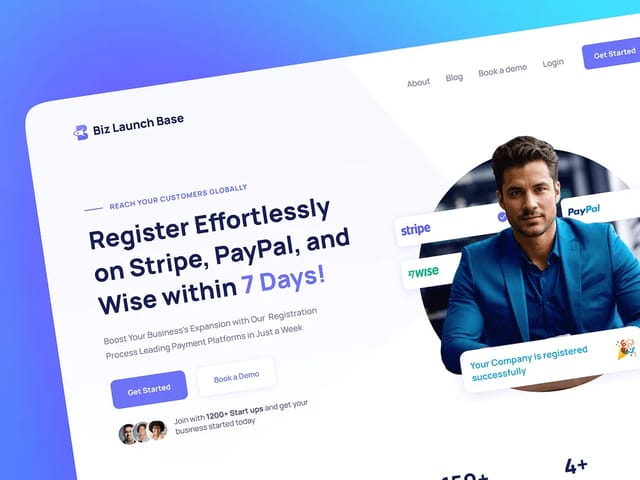
- Biz Launch Base, a business services startup. See the Biz Launch Base project.
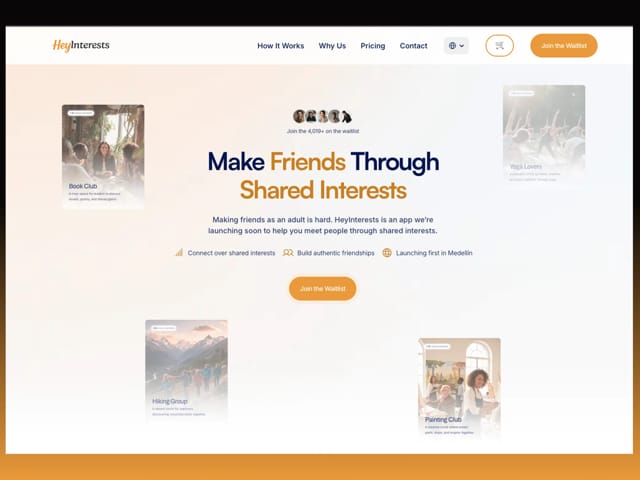
- HeyInterests, a social and community product. See the HeyInterests project.
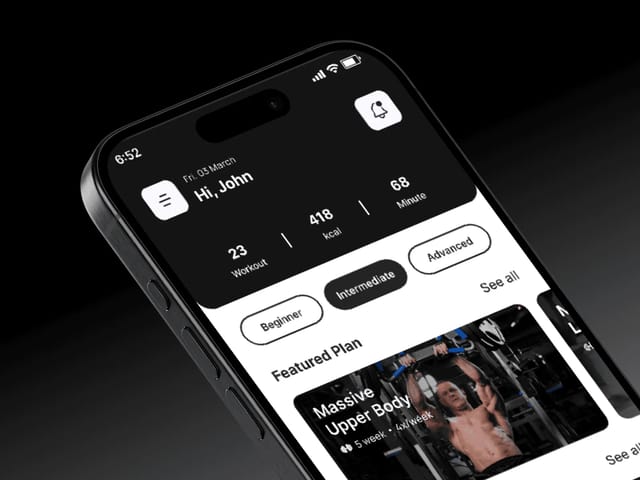
- PowerPulse, a fitness brand. See the PowerPulse project.
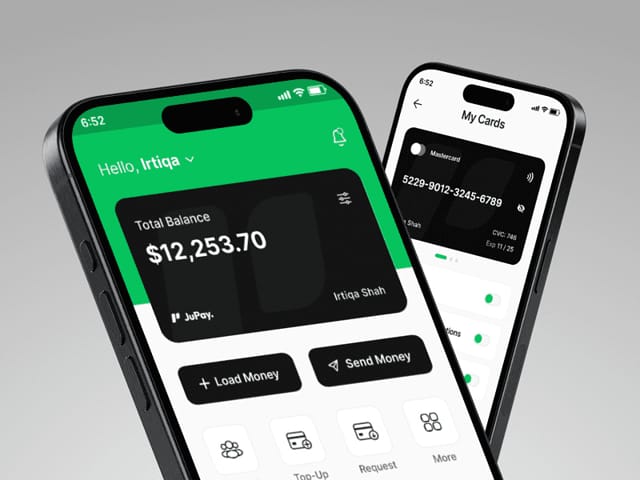
- Jupay, a payments company. See the Jupay project.
Who is this not for?
We're not the right fit if you need a site this week from a template, if the budget is a few hundred dollars, or if you have no product or customers to talk about yet. In those cases a template or a simple waitlist page is the honest answer. We're also not a fit for large enterprise sites with procurement cycles and dozens of stakeholders. We work best with founders who can make decisions quickly and want one team to own the result.